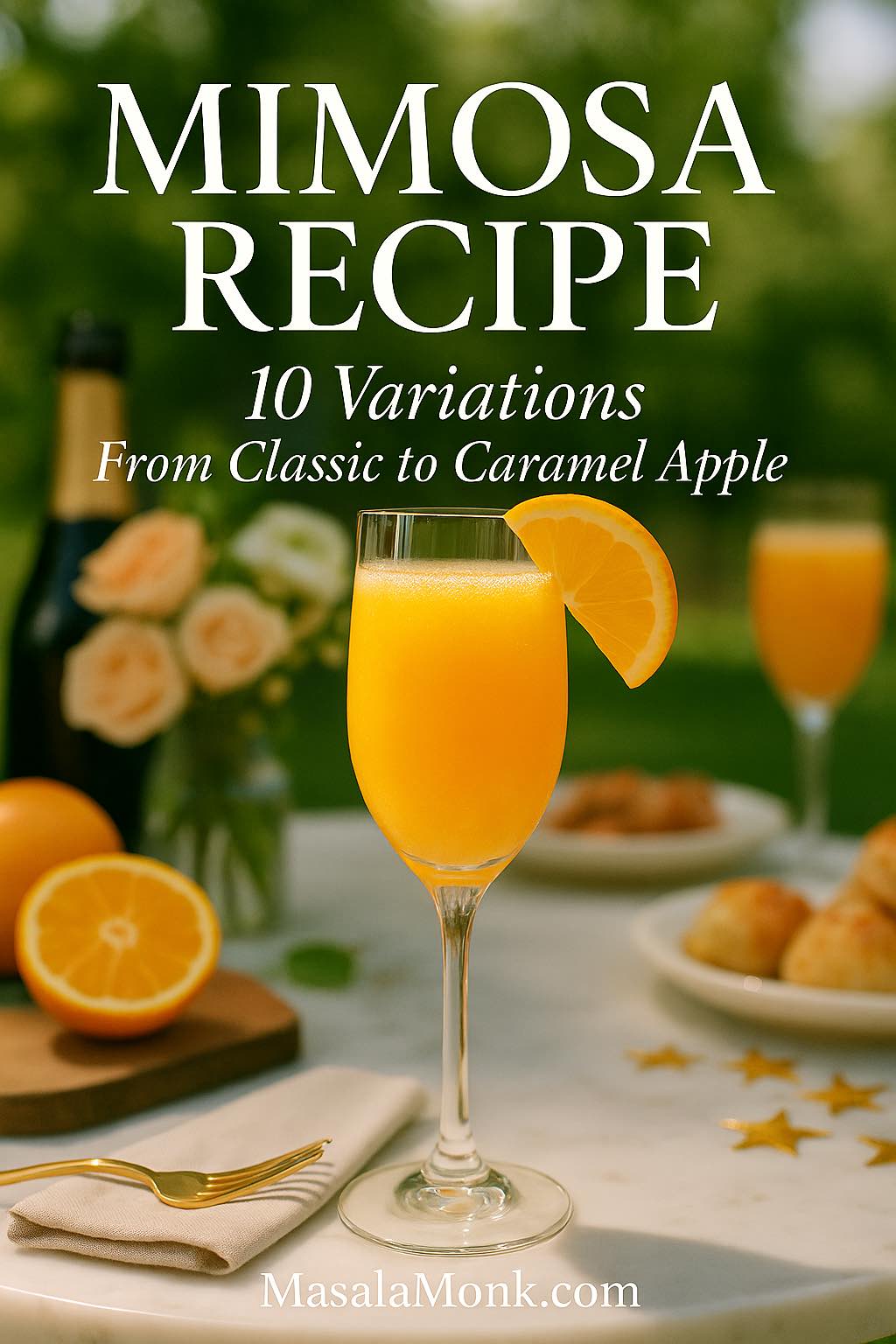
Unlocking the Perfect Brunch: Your Mimosa Expert Guide to Wine and Orange Juice
Few beverages capture the spirit of celebration and leisurely brunch quite like the mimosa. This delightful, effervescent cocktail, a harmonious blend of sparkling wine and orange juice, has earned its place as a weekend staple and a holiday favorite. Whether you're hosting a festive gathering, a baby shower, or simply enjoying a relaxed Sunday morning, mastering a simple mimosa recipe is a skill that always comes in handy.
While ridiculously easy to prepare, creating truly exceptional mimosas goes beyond just pouring two ingredients into a glass. The secret lies in understanding the nuances of your choices – specifically, selecting the best sparkling wine and the freshest orange juice. In this comprehensive guide, we'll dive deep into making informed decisions, ensuring every sip is a sparkling success. By the end, you'll be a mimosa expert, ready to impress even the most discerning palates.
The Bubbly Foundation: Choosing the Best Sparkling Wine for Your Mimosa
The star of any mimosa is undoubtedly the sparkling wine. While many automatically think of Champagne, the truth is that the best wine for mimosa isn't necessarily the most expensive. For this specific cocktail, where the delicate notes of premium Champagne would be somewhat diluted by orange juice, more accessible and equally delicious alternatives shine brighter.
Why Cava and Prosecco Are Your Go-To Choices
- Cava: The Spanish Gem: Hailing from Spain, Cava is a dry sparkling wine produced using the traditional method, similar to Champagne. This results in fine, persistent bubbles and a crisp, sometimes toasty flavor profile that perfectly complements orange juice. It offers excellent complexity without the hefty price tag. A fantastic benchmark choice often recommended by experts is Freixenet Cordon Negro Brut Cava, which typically retails for around $12-$16 and comes in a distinctive black bottle.
- Prosecco: Italy's Lively Effervescence: From the Veneto region of Italy, Prosecco is a slightly fruitier and often softer sparkling wine, made using the Charmat method. Its lively bubbles and notes of green apple, pear, and citrus make it incredibly refreshing when paired with orange juice. Prosecco tends to be very approachable and offers great value, usually falling within the same $12-$16 price range as Cava.
When selecting your sparkling wine, opt for "Brut" or "Extra Dry" varieties. These terms indicate a drier wine with less residual sugar, which prevents your mimosa from becoming overly sweet once mixed with orange juice. Avoid anything labeled "Demi-Sec" or "Doux" as these are sweeter styles more suited for dessert.
Expert Tip: Resist the temptation to use super-cheap sparkling wines. While affordability is key, wines at the very bottom of the price scale can often result in a less pleasant taste and even a morning-after headache. Invest a little extra for a truly enjoyable experience; a good bottle doesn't have to break the bank.
The Golden Elixir: Selecting the Best Orange Juice for Mimosa
Often overlooked, the orange juice plays a crucial supporting role in a mimosa. Its quality can significantly impact the final taste, texture, and enjoyment of your drink. For a truly outstanding mimosa, focus on freshness and purity.
Prioritizing Quality and Freshness
- Not From Concentrate: This is perhaps the most important rule when buying store-bought orange juice for mimosas. "Not from concentrate" means the juice hasn't been stripped of its water content and then rehydrated, preserving more of its natural flavor and vitamins.
- Pulp-Free is Preferred: While some enjoy pulp in their everyday OJ, it can create an undesirable texture and a slightly messy appearance when mixed with delicate bubbles. For the cleanest, most elegant mimosa, choose pulp-free orange juice.
- The Homemade Advantage: If time and effort allow, freshly squeezed orange juice elevates a mimosa to another level. The vibrant flavor and natural sweetness are unmatched. If you're juicing your own, remember to do so in advance. This allows the juice to be thoroughly chilled, which is critical for a great mimosa. Also, a quick strain through a fine-mesh sieve will ensure it's completely pulp-free.
Exploring Orange Varieties
Don't be afraid to experiment with different types of oranges to discover subtle flavor variations:
- Navel Oranges: A classic choice, providing a balanced sweet-tart flavor.
- Valencia Oranges: Known for their high juice content and bright, refreshing taste, perfect for a crisp mimosa.
- Blood Oranges: Offer a beautiful crimson hue and a unique, slightly berry-like, less acidic flavor that adds a sophisticated twist.
- Clementines/Tangerines: Can lend a sweeter, more aromatic, and slightly less tart profile, ideal if you prefer a sweeter mimosa.
Crafting Your Perfect Mimosa: The Ideal Ratio and Technique
Once you have your sparkling wine and orange juice, the actual assembly of a mimosa is incredibly straightforward. However, a few tips can make all the difference in achieving that perfect balance and effervescence.
Finding Your Sweet Spot: The Mimosa Ratio
The "perfect" ratio is ultimately a matter of personal preference, but generally, there are two popular starting points:
- The Classic 50/50 Split: This equal parts approach offers a balanced flavor, making it a great starting point, especially for a large gathering. It ensures a refreshing and mildly alcoholic drink.
- The "Bartender's Pour" (2:1 Wine to Juice): For those who prefer their mimosa with a more pronounced wine flavor and a bit more punch, a ratio of two parts sparkling wine to one part orange juice is ideal. This creates a lighter, fizzier, and slightly boozier cocktail.
Experimentation is key! Start with a 50/50 ratio and then gradually adjust. Do you want it sweeter? Add a touch more juice. Prefer more bubbly crispness? Increase the wine. Over time, you'll intuitively know how you like your simple mimosa recipe.
The Art of the Pour
- Start with Chilled Ingredients: This is paramount. Warm ingredients will kill the bubbles and make your mimosa flat faster. Ensure both your sparkling wine and orange juice are well-chilled. You can even chill your champagne flutes for an extra touch.
- Pour Sparkling Wine First: Always add the sparkling wine to your flute first, filling it about half to two-thirds of the way, depending on your preferred ratio. This helps preserve the bubbles and prevents excess foam.
- Top with Orange Juice: Gently pour the orange juice on top. The natural mixing action as it settles will create a beautiful, even blend without needing to stir, which could flatten the drink. This technique also helps prevent a sticky mess at the rim of the glass.
For more detailed instructions and a step-by-step guide, you might find How to Make the Best Mimosa: Easy Recipe, Tips & Best Ingredients particularly helpful.
Elevating Your Simple Mimosa Recipe: Expert Tips & Serving Suggestions
Beyond the basic ingredients, a few finishing touches and serving considerations can transform your simple mimosa recipe into an unforgettable experience.
- Temperature Control is King: Keep your sparkling wine and orange juice in an ice bucket or cooler during service, especially if you're hosting. A warm mimosa loses its charm quickly.
- Garnish for Panache: A simple orange slice, a twist of orange peel, or even a few fresh raspberries or strawberries can add visual appeal and a subtle aromatic lift to your mimosa.
- Batch for a Crowd: If you're serving mimosas for a party, you can pre-chill large quantities of orange juice. Keep the sparkling wine in an ice bath nearby and pour each mimosa to order to maintain maximum fizziness. Avoid pre-mixing large batches of mimosas as the bubbles will dissipate over time.
- Beyond Orange: While classic, don't be afraid to explore other fruit juices for delightful variations. Grapefruit juice creates a tangier "Poinsettia," peach puree makes a creamy Bellini, and cranberry juice offers a festive "Christmas Mimosa."
Conclusion
The mimosa, in its elegant simplicity, is a testament to how two quality ingredients can create something truly special. By understanding the importance of selecting the right sparkling wine—opting for crisp Cava or fruity Prosecco—and prioritizing fresh, pulp-free orange juice, you're already halfway to perfection. Add in the easy technique of pouring and adjusting the ratio to your taste, and you've mastered the art of the simple mimosa recipe.
Whether you're celebrating a milestone or simply enjoying a leisurely morning, a perfectly crafted mimosa elevates the moment. So go ahead, experiment with ratios, explore different orange varieties, and serve up a glass of bubbly sunshine. For further insights into perfecting your pour and discovering your ideal balance, check out our guide on Simple Mimosa Recipe: Master the Perfect Brunch Cocktail Ratio.
